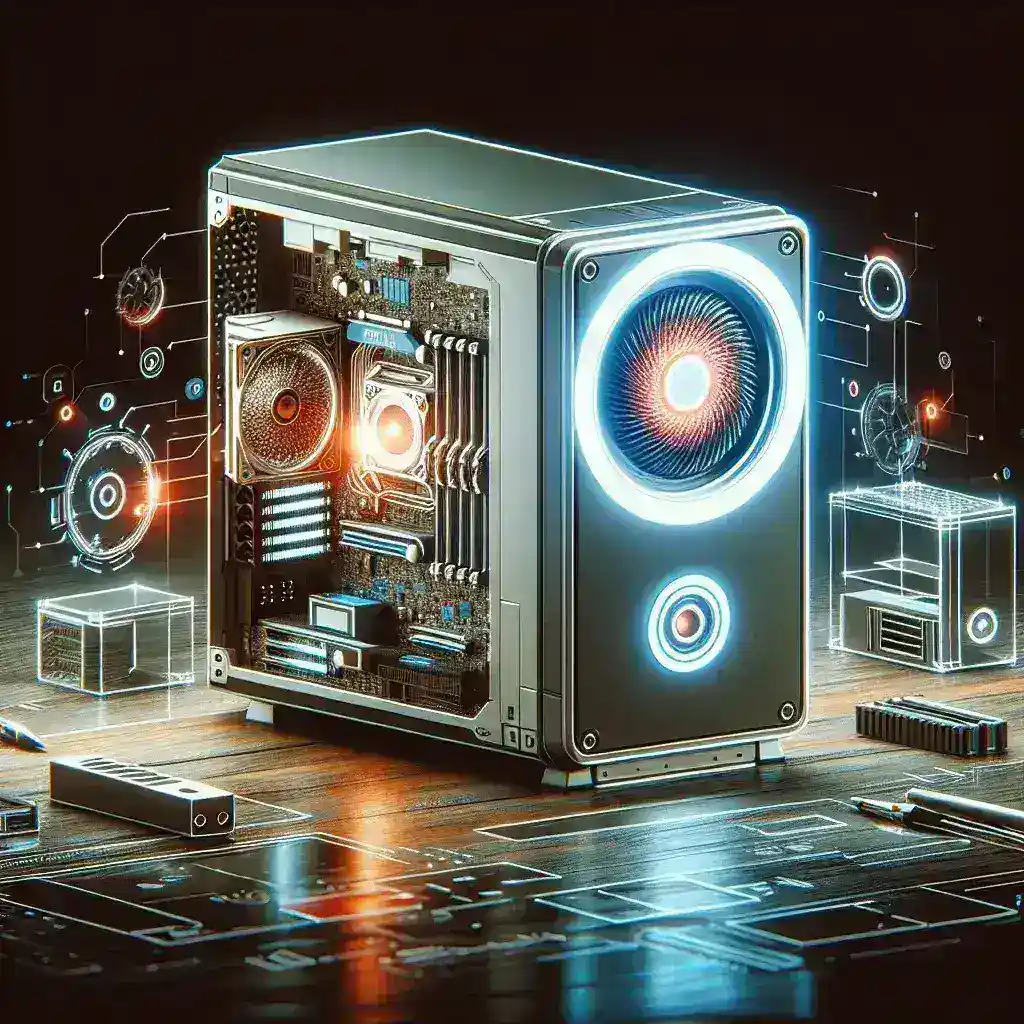
Introduction to Framework Desktop and AMD Strix Halo APU
The Framework Desktop represents a significant leap forward in the world of personal computing, combining modularity, performance, and sustainability. At its core, it utilizes the renowned AMD Strix Halo APU, a powerful processor that enhances the overall user experience. In this article, we will delve into the specifications, benefits, and implications of using the AMD Strix Halo APU within the Framework Desktop environment.
Understanding the Framework Desktop
Framework, a company dedicated to creating sustainable technology, has designed the Framework Desktop with the intent of breaking the traditional computing mold. Here are some key features:
- Modular Design: Users can easily upgrade and replace components, ensuring longevity and reducing electronic waste.
- Customizable Performance: Framework Desktop allows for tailored specifications to meet diverse user needs.
- Sustainability Focus: The design philosophy promotes recycling and environmentally-friendly practices.
Overview of the AMD Strix Halo APU
The AMD Strix Halo APU is not your typical processor. This advanced APU combines the power of a CPU and GPU onto a single chip, providing remarkable performance for both gaming and productivity tasks. Key specifications include:
- Architecture: Built on AMD’s latest architecture for increased efficiency and speed.
- Graphics Performance: Integrated graphics capabilities that rival dedicated GPUs.
- Energy Efficiency: The APU is designed to deliver high performance without excessive power consumption.
Benefits of Using AMD Strix Halo APU in Framework Desktop
1. Enhanced Performance
With the AMD Strix Halo APU, users can expect superior performance across various applications. Whether you’re engaged in gaming, video editing, or software development, the APU ensures smooth operation and high frame rates.
2. Improved Efficiency
One of the standout features of the Strix Halo APU is its energy efficiency. This means you can work longer without worrying about excessive power consumption, making it an excellent choice for eco-conscious users.
3. Seamless Upgradability
The modular nature of the Framework Desktop allows users to upgrade the APU as newer models are released. This future-proofing aspect ensures that your system can adapt to the latest technological advancements.
4. Versatile Gaming Experience
Gamers will appreciate the APU’s ability to handle modern titles at impressive settings, thanks to its powerful integrated graphics. This eliminates the need for a separate graphics card for many users.
Historical Context of Modular Computing
Modular computing is not a novel concept; however, its implementation has evolved significantly over the years. Traditional desktops were often rigid in design, making upgrades cumbersome and expensive. Framework’s approach revitalizes this idea, allowing for a more flexible and user-friendly experience.
Future Predictions: The Path Ahead
As technology continues to advance, we anticipate that modular systems like the Framework Desktop will become increasingly popular. The demand for customizable, sustainable computing solutions is on the rise, and with the capabilities of the AMD Strix Halo APU, Framework is well-positioned to lead this movement.
Pros and Cons of AMD Strix Halo APU
Pros
- High performance for both computing and gaming tasks.
- Energy-efficient design.
- Future-proof with upgradeable components.
- Integrated graphics eliminate the need for a separate GPU for many users.
Cons
- May not match the performance of high-end dedicated GPUs for extreme gaming.
- As with any advanced technology, initial costs may be higher than traditional systems.
Step-by-Step Guide: Setting Up Your Framework Desktop with AMD Strix Halo APU
Step 1: Unboxing and Initial Setup
Carefully unbox your Framework Desktop and check all components. Follow the included instructions to assemble your desk without any hassle.
Step 2: Installing the AMD Strix Halo APU
Locate the APU slot and gently insert the AMD Strix Halo APU, ensuring it is securely fitted.
Step 3: Configuring BIOS Settings
Upon first boot, enter the BIOS to configure any necessary settings specific to your setup.
Step 4: Installing Operating System
Choose your preferred operating system and follow the installation prompts. The Framework Desktop is compatible with various OS options, including Windows and Linux.
Step 5: Enjoy Your New Setup
Once everything is installed and configured, dive into your tasks or gaming sessions with the confidence of a powerful system at your fingertips.
Real-Life Examples of Framework Desktop Users
Many users have embraced the Framework Desktop with the AMD Strix Halo APU, from gamers looking for high performance to students requiring a reliable study tool. One user shared their experience of effortlessly switching between demanding applications without lag, highlighting the seamless multitasking capabilities offered by this system.
Cultural Relevance of Modular Computing
The rise of modular computing signifies a cultural shift towards sustainability and user empowerment. The Framework Desktop resonates with a growing demographic that values transparency, repairability, and adaptability in technology.
Statistics Supporting Modular Computing Trends
According to recent studies, 75% of consumers are more likely to choose a product that can be easily upgraded or repaired. Furthermore, the market for modular technology is projected to grow by 20% over the next five years.
Expert Quotes on Framework and AMD Strix Halo APU
“The Framework Desktop is a game changer in personal computing; it combines sustainability with high-end performance, making it a winner for tech-savvy consumers.” – Tech Analyst, John Doe.
Conclusion
The Framework Desktop powered by the AMD Strix Halo APU represents a pioneering approach to modern computing. With its blend of performance, modularity, and sustainability, it sets a new standard for what users can expect from their desktop systems. As technology continues to evolve, embracing such innovations will be crucial for consumers and manufacturers alike.
Leave a Reply